English
Thai
About
How It Works
Category
Knitwear
Swimwear
Activewear
Denim
Dresses & Skirts
Underwear & Corsetry
Accessories
Crochet
Journal
FAQ
Contact
Category
Knitwear
Swimwear
Activewear
Denim
Dresses & Skirts
Underwear & Corsetry
Accessories
Crochet
Start Your Collection
Journal
Production knowledge for brands that intend to last.
Looking for quick answers about how we work?
See the FAQ
NEW
How to choose a knitwear manufacturer: the questions that separate the good ones
A sample and a quote hide most of what goes wrong later. Ten questions that show whether a knitwear manufacturer can hold a standard across a full run.
14 September 2026
OEM, ODM, or going direct: which one you actually need
OEM, ODM and going direct are three different arrangements with three different risks. What each one means and which fits where you are.
What it actually costs to start a clothing brand
The garment cost is the line everyone budgets for and rarely the one that breaks the budget. What a first collection actually costs, end to end.
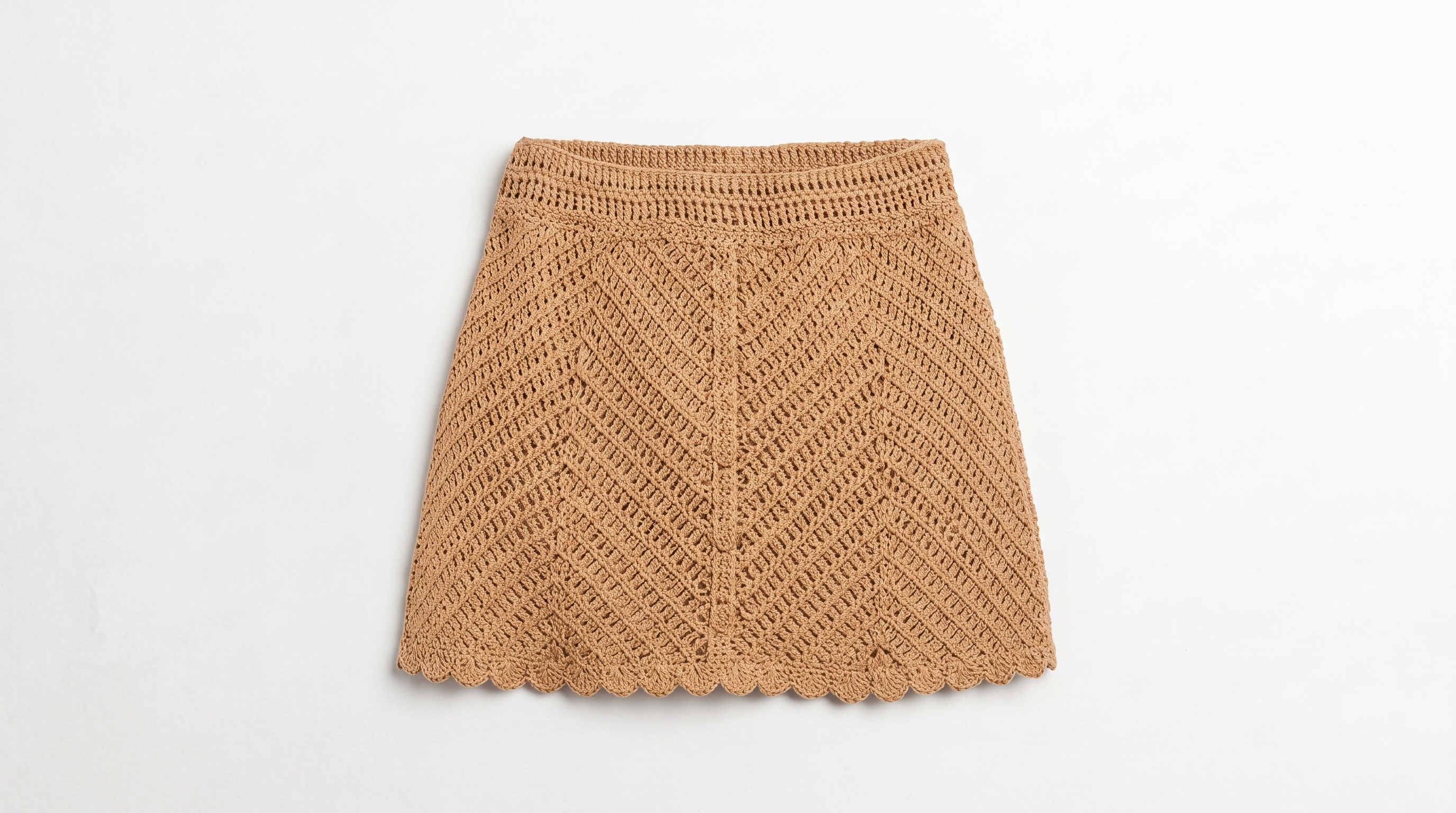
Hand crochet at scale: what changes between twenty pieces and two hundred
Crochet cannot be machine made, so scaling it means scaling people. What changes between twenty pieces and two hundred, and how consistency is held.
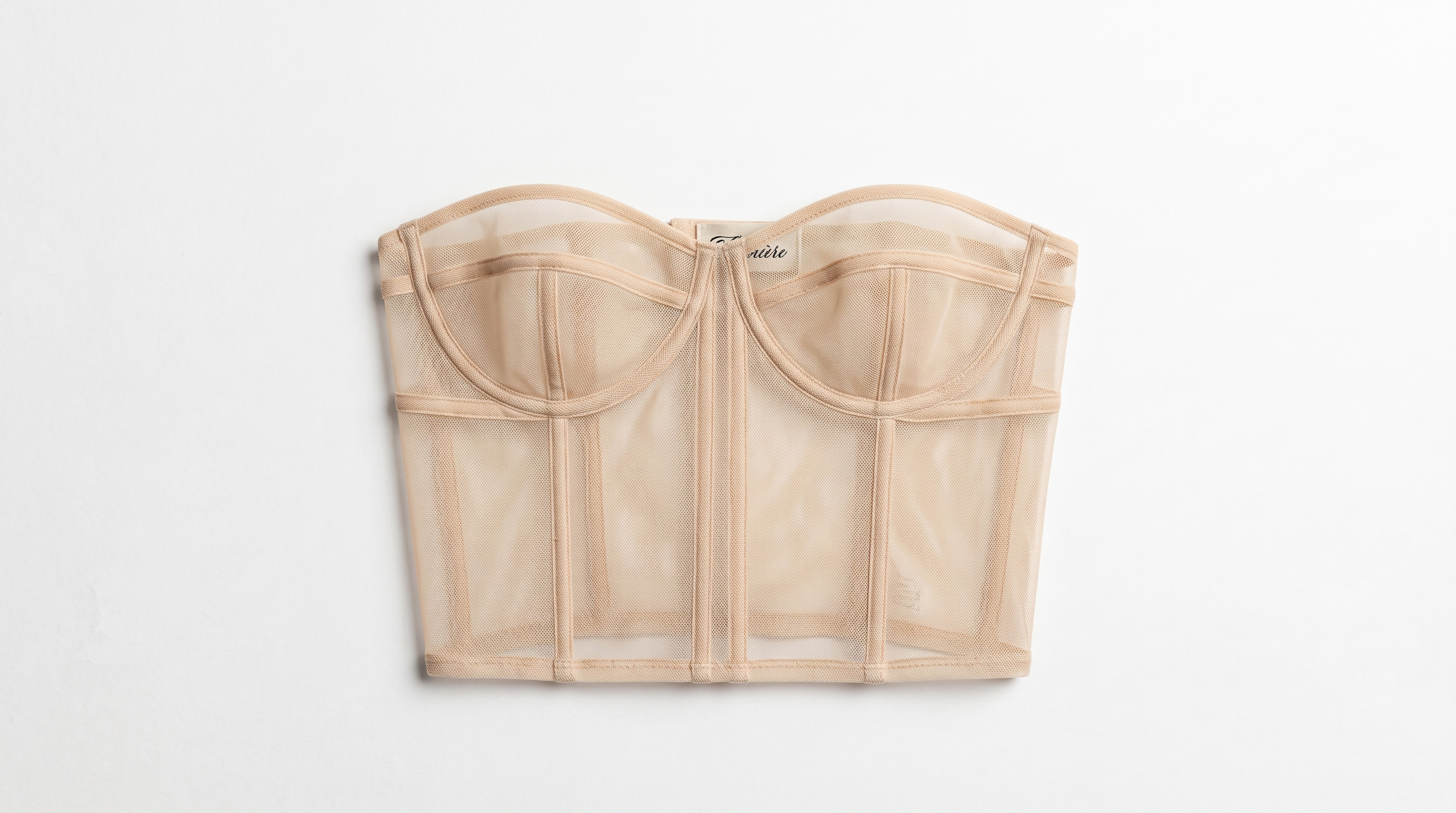
What makes a corset hold: boning, panels, and why the pattern is the product
Boning gets the credit, but the panel pattern does the work. How corsetry holds a shape, and what separates a structured piece from a decorative one.
Denim shrinkage, skew and twist: what to check before you approve a wash
Most denim problems are not the wash. Shrinkage, skew and leg twist explained, and what to measure before you approve a sample.
Why swimwear fit changes in water, and how to sample for it
A swimsuit that fits dry can sag, gape or go sheer once it is wet. What changes in the water, and what to test before you approve a sample.
Seamless or cut-and-sew: which activewear construction suits your line
Seamless and cut-and-sew activewear differ on fit, cost, minimums and how fast you can change a design. Which belongs where in your range.
Cashmere or merino: choosing the yarn for a first knit run
Cashmere and merino are not a quality ladder. How each behaves in wear, in production and on your margin, with the trade-offs named.
What knitwear factories can actually make: gauge, fully-fashioned and seamless
Gauge, fully-fashioned and whole-garment decide what a knit can be. A plain guide to the three choices that set the cost and the hand of your piece.
When to order labels and packaging so they arrive before the garments
Labels are ordered late more often than any other component, and they hold finished runs. Where each one belongs in the production calendar.
Ready to put it into practice?
Reading only takes you so far.
Send your reference images and get a clear read on materials, timelines, and costs for your own collection.
Start Your Collection