Activewear gets specified by fabric far more often than by construction. That is backwards. The fabric decides how a piece feels in the hand. The construction decides how it fits a moving body, what it costs, and how quickly you can change it.
There are two routes. Most ranges should use both.
Cut-and-sew
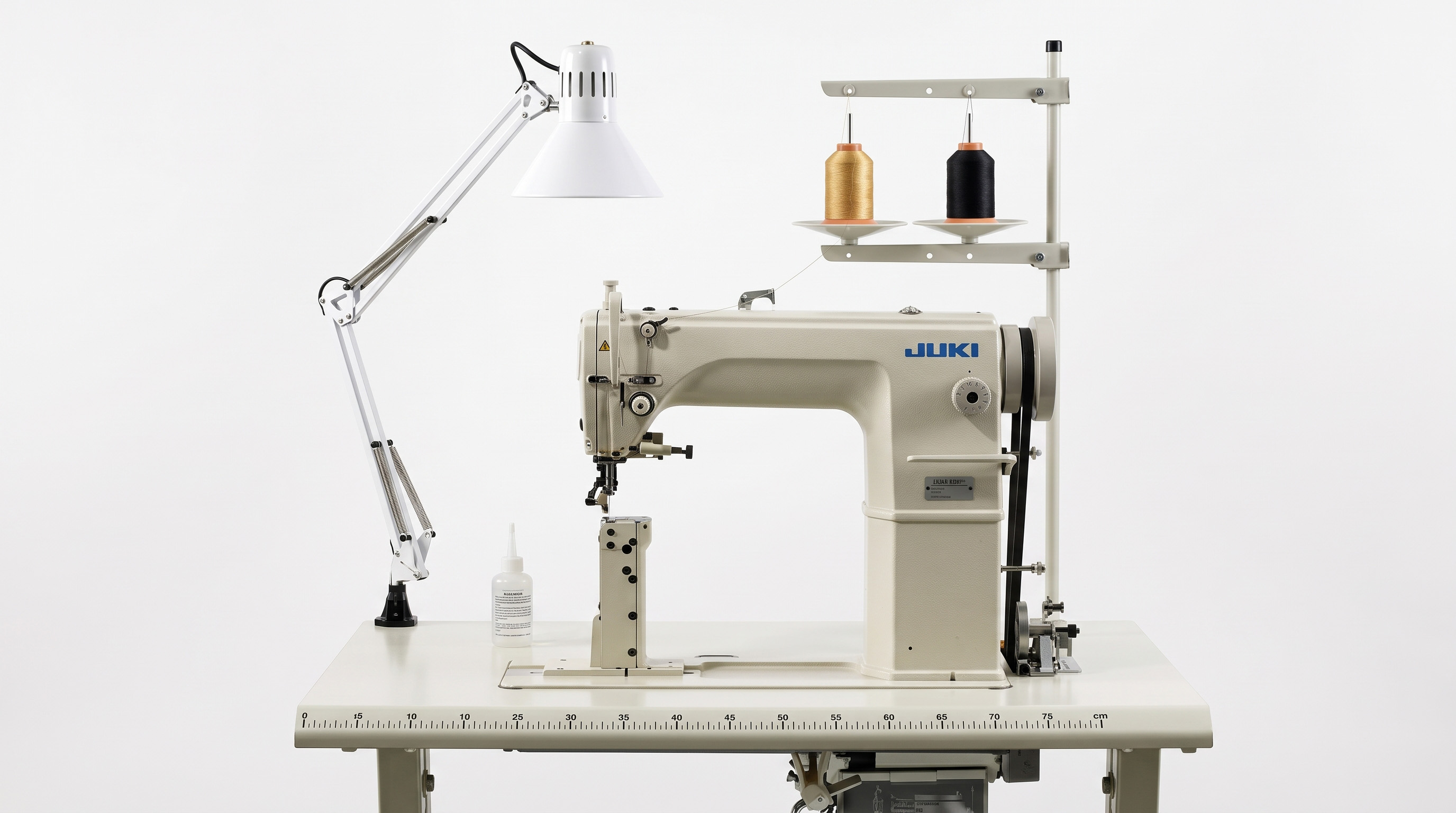
Fabric is knitted or woven in rolls, cut to pattern pieces, and sewn together. It is how nearly all clothing is made.
What it gives you. Control over every panel. You can put a different fabric in the gusset than the body, place a mesh exactly where you want ventilation, and grade the pattern properly across a full size run. Changing a design means changing a pattern, which is quick and cheap.
What it costs you. Seams. Every seam is a potential point of chafe and a potential point of failure, and on a compression piece the seams carry real load. Flatlock and bonded seams reduce the problem and add cost. Cut waste is a real percentage of your fabric spend.
Where it wins. Anything with structure: a bra with a supportive underband, shorts with a proper gusset, a jacket, anything with pockets, anything with more than one fabric in it.
Seamless
A circular knitting machine builds the garment as a tube, varying the stitch structure as it goes. Compression zones, ventilation zones and ribbing are knitted in rather than sewn on. The piece comes off the machine largely complete, needing only trimming and finishing.
What it gives you. No side seams, so nothing to rub over distance. Support built as a gradient rather than a seam, which is why seamless leggings can hold without a heavy waistband. Very little waste. Once the program is written the piece is fast to produce.
What it costs you. Programming. The machine has to be told what to do stitch by stitch, and that development takes time and money before you see the first piece. Change the design and much of it has to be redone. Minimums per style tend to be higher because the set-up has to be earned back. Sizing works in bands rather than a full graded run, since the tube stretches to fit, and that limits how precise the fit can be at the extremes.
Where it wins. Base layers, leggings, light bras, seamless tees, anything worn against skin for a long session. Repeat styles that stay in the line for several seasons.
Side by side
| Cut-and-sew | Seamless | |
| Development time | Short | Long |
| Cost per piece at volume | Higher | Lower |
| Minimum per style | Lower | Higher |
| Fabric waste | Meaningful | Minimal |
| Chafe risk | At seams | Very low |
| Multiple fabrics in one piece | Yes | Limited |
| Size precision | Full graded run | Bands |
| Easy to revise | Yes | No |
How to split a range
The practical answer for most brands building a first activewear line:
Seamless for the pieces that stay in the line. A core legging, a light bra, a base layer tee. These justify the programming because you will make them again next season and the season after.
Cut-and-sew for everything that changes, everything with structure, and everything seasonal. Shorts, outerwear, supportive bras, anything with a colour-blocked panel or a print.
Getting this split right protects you from the two common failures: paying for seamless development on a style you drop after one season, and trying to build a supportive bra seamlessly because the base layer worked.
What to lock at sampling, either way
Activewear fails in wear, not on the hanger, and three things cause most of it.
Stretch recovery. Fabric that stretches and does not return gives you a legging that bags at the knee by the third wear. Ask for the recovery figure after repeated extension, not just the stretch percentage. Test it on the sample yourself: pull it, hold it, let go, look at it an hour later.
Opacity under stretch. A fabric that is opaque flat can go sheer at 40 percent extension. Check the sample stretched over a hand, in daylight, in the actual colour. Lighter colours and heather greys are where this shows first, and colour changes the result, so a black sample proves nothing about the grey.
Seam load. On cut-and-sew, pull the seams hard at the crotch and the waistband, which is where they go. On seamless, check the transition zones where the stitch structure changes.
None of this needs a lab. It needs someone willing to be rough with a sample before they approve it.
Tirarin is a premium activewear manufacturer working in both seamless and cut-and-sew, with performance knit built on the same floor as our knitwear.